
Korean Seasoned Chicken

■ Korean Seasoned Chicken ■□


Seasoned chicken, also known as "양념 치킨" (yangnyeom chikin) in Korean, is a popular variation of fried chicken in South Korea. Unlike plain fried chicken, seasoned chicken is coated in a flavorful sauce or seasoning, adding a burst of delicious taste to the crispy exterior.
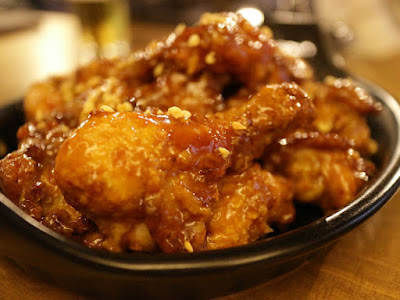
Photo by pixabay

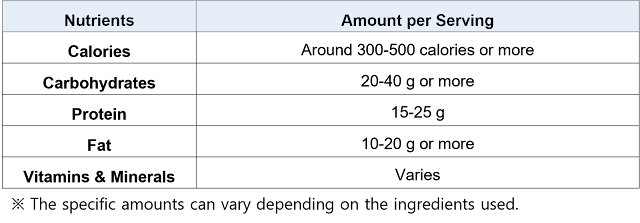
Seasoned chicken is typically fried, which adds to its calorie content. On average, a serving of seasoned chicken (approximately 100-150 grams) can provide around 300-500 calories or more, depending on the specific preparation.

Seasoned Chicken Calories and Nutritional Information ]
Seasoned chicken comes in a wide variety of flavors, and each restaurant or franchise may have its unique sauce recipes. Some of the popular seasoned chicken flavors include:

- Spicy: A sweet and spicy glaze that usually contains gochujang (Korean red pepper paste) or other chili-based ingredients.

- Soy Garlic: A classic combination of soy sauce and garlic, resulting in a savory and aromatic flavor.

- Honey Butter: A sweet and buttery coating that gives the chicken a rich and slightly sweet taste.

- Sweet Chili: A balance of sweetness and mild spiciness with a hint of tanginess.

- Curry: A curry-flavored sauce, which adds a unique twist to the traditional fried chicken.

Just like regular fried chicken, seasoned chicken is often enjoyed as anju (a side dish to accompany alcoholic beverages) in Korean drinking culture. It pairs well with beer, so it's commonly served in bars, restaurants, and even for home delivery during social gatherings.

Many fried chicken restaurants and franchises in South Korea offer seasoned chicken as part of their menu. These establishments often provide a wide range of flavors to cater to diverse tastes.

Seasoned chicken is highly popular for takeout and delivery, especially during social occasions, sporting events, or when people gather to watch TV shows or movies together.

Korean seasoned chicken has gained popularity beyond Korea's borders and is now enjoyed by food enthusiasts worldwide. It is often featured in Korean restaurants and food festivals in various countries.

If you have the chance to visit South Korea, trying the various flavors of seasoned chicken is a must-do food experience. Whether you prefer the spicy kick of the spicy sauce or the savory aroma of soy garlic, seasoned chicken offers a delectable fusion of taste that has become an integral part of Korean food culture


Seasoned Chicken
调味炸鸡
味付けチキン


Popular posts from this blog

Doenjang-jjigae (Soybean Paste Stew)

□ ■  Doenjang-jjigae (Soybean Paste Stew)   ■□ Korean soybean paste stew, also known as ‘doenjang jjigae’, is a delicious and nutritious traditional Korean dish that has been enjoyed for generations. It is made with fermented soybean paste (doenjang) and a variety of ingredients such as tofu, vegetables, and sometimes meat or seafood.   Photo by pixabay The main ingredient in soybean paste stew is, of course, the doenjang, which is a thick and savory fermented soybean paste. Other common ingredients include tofu, vegetables such as zucchini, mushrooms, onions, garlic, and green onions. Additionally, some variations of the stew may include meat (usually pork) or seafood to add extra depth of flavor. Soybean paste stew is not only delicious but also provides several nutritional benefits. It is rich in protein from the soybean paste and tofu, and it is packed with vitamins and minerals from the vegetables. The fermentation process also increases the bioavailability of nutrie...

Korean Barbecue (Samgyeopsal)

□ ■  Korean Barbecue (Samgyeopsal)   ■□ Korean Barbecue, commonly known as Samgyeopsal, is a beloved dining experience in Korean cuisine. It involves grilling meat, particularly pork belly, at the table. Thick slices of succulent pork belly are meticulously grilled to achieve a perfect balance of tenderness and flavor.  What sets Samgyeopsal apart is its interactive nature, often enjoyed as a social meal where diners engage in the joyful process of cooking the meat themselves at the dining table. Samgyeopsal has become increasingly popular both in Korea and around the world due to its delicious flavors and interactive nature.   Photo by pixabay The term "Samgyeopsal" literally translates to "three-layered flesh" in Korean, referring to the layers of meat and fat in pork belly. It is typically served in thick, unsliced strips, allowing for a juicier and more flavorful grilling experience.     Photo by pixabay     Photo by pixabay Samgyeopsal has a...

Bibim-guksu (Spicy Noodles)

□ ■  Bibim-guksu (Spicy Noodles)   ■□ Bibim-guksu is a delicious and popular Korean dish that is perfect for a refreshing meal on a hot summer day. This dish is composed of cold, chewy noodles that are mixed with a spicy sauce and a variety of vegetables. The name "bibim-guksu" translates to "mixed noodles" in Korean, reflecting the essence of the dish.   Photo by pixabay Bibim-guksu can be made with different types of noodles, but the most common choice is wheat-based noodles like somyeon (thin noodles) or soba noodles. These noodles are cooked until al dente, drained, and then rinsed with cold water to cool them down and remove excess starch. The signature element of bibim-guksu is the spicy sauce that coats the noodles. The sauce is typically made from a combination of gochujang (Korean red chili pepper paste), soy sauce, vinegar, sesame oil, sugar, garlic, and other seasonings. The sauce provides a bold and spicy flavor that gives the dish its distinctive kick. ...

Dotori-muk Salad (Acorn Jelly Salad)

□ ■  Dotori-muk (Acorn Jelly Salad)   ■□ Dotori-muk, also known as acorn jelly, is a traditional Korean food made from acorn starch. It has a slightly nutty and earthy flavor and a smooth, gelatinous texture, making it a unique and versatile ingredient in Korean cuisine. Photo by pixabay Dotori-muk is used in a variety of Korean dishes, both as a main ingredient and as an accompaniment. It can be enjoyed in soups, stews, salads, and side dishes. Due to its neutral flavor, it readily absorbs the flavors of other ingredients, making it versatile and complementary to different flavor profiles. [ Acorn Jelly Salad Calories and Nutritional Information ] In addition to its versatility, dotori-muk is a low-calorie food, providing around 45 calories per 100g serving. It is an ideal option for those watching their weight. Acorns, the main ingredient in dotori-muk, are also rich in nutrients such as carbohydrates, dietary fiber, proteins, and various minerals. Dotori-muk is gluten-free,...

Cheongguk-jang stew(Rich Soybean Paste Stew)

□ ■  Cheongguk-jang  stew (Rich Soybean Paste Stew)    ■□ Cheonggukjang stew(or Cheongguk-jang-jjigae, Rich Soybean Paste Stew) is a fermented soybean paste soup that has been consumed in Korea for centuries. Its unique flavor and aroma come from the fermentation process, which produces a pungent smell that some may find off-putting.  The main ingredient is the cheonggukjang, which provides the stew's distinct flavor.  Cheonggukjang has a stronger and more pungent taste compared to doenjang, another type of fermented soybean paste.  Despite this, Cheonggukjang is well-known as a healthy food in Korea, as it is packed with probiotics and other nutrients that are beneficial to the body.   Photo by pixabay On average, a serving of Cheonggukjang stew(240 ml) provides approximately 150-300 calories. Cheonggukjang is a good source of protein, providing all essential amino acids, which makes it particularly valuable for vegetarians and vegans. Additional...