
Korean Fried Chicken

□■ Korean Fried Chicken ■□


Fried chicken, known as "치킨" (chikin) in Korean, holds a special place in South Korean cuisine and is incredibly popular in the country. It is known for its crispy exterior and flavorful seasoning, and has its own unique style and flavors that make it a beloved dish among locals and visitors alike.

Photo by pixabay

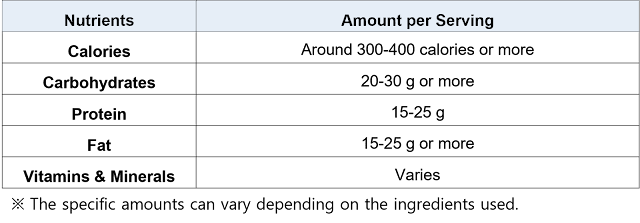
Korean fried chicken tends to be relatively high in calories because it is fried and sometimes coated in breading. A serving of Korean fried chicken (usually 100-150 grams) can have around 300-400 calories or even more, depending on how it's made.

[ Fried Chicken Calories and Nutritional Information ]
Korean fried chicken comes in various flavors to suit different preferences. Some of the popular flavors include original (plain and crispy), sweet and spicy, garlic soy sauce, honey butter, and more. It is often served with pickled radish, called "치킨 무" (chikin mu), as a refreshing accompaniment.

A favorite combination in Korea is fried chicken paired with beer, known as "치맥" (chimaek). Many restaurants and street vendors offer this popular pairing, and it has become a social activity for friends and coworkers to enjoy together.

Korean fried chicken is also a popular "anju" - a type of food enjoyed with alcohol. When Koreans go out for drinks, fried chicken is a common choice to accompany the beverages.

Korea has a vibrant delivery culture, and many restaurants specialize in fried chicken delivery. You can easily order fried chicken to be delivered to your home, office, or even to parks for picnics.

There are numerous fried chicken restaurants all over South Korea, ranging from big chains to small family-run shops. Some popular chains include BBQ Chicken, Kyochon Chicken, and BHC Chicken.

Trying Korean fried chicken is a must when you're in South Korea, whether you're a visitor or a local. It's a delicious and enjoyable experience that captures a unique aspect of Korean food culture.

Fried Chicken
炸鸡
フライドチキン


Popular posts from this blog

Dotori-muk Salad (Acorn Jelly Salad)

□ ■  Dotori-muk (Acorn Jelly Salad)   ■□ Dotori-muk, also known as acorn jelly, is a traditional Korean food made from acorn starch. It has a slightly nutty and earthy flavor and a smooth, gelatinous texture, making it a unique and versatile ingredient in Korean cuisine. Photo by pixabay Dotori-muk is used in a variety of Korean dishes, both as a main ingredient and as an accompaniment. It can be enjoyed in soups, stews, salads, and side dishes. Due to its neutral flavor, it readily absorbs the flavors of other ingredients, making it versatile and complementary to different flavor profiles. [ Acorn Jelly Salad Calories and Nutritional Information ] In addition to its versatility, dotori-muk is a low-calorie food, providing around 45 calories per 100g serving. It is an ideal option for those watching their weight. Acorns, the main ingredient in dotori-muk, are also rich in nutrients such as carbohydrates, dietary fiber, proteins, and various minerals. Dotori-muk is gluten-free,...

Korean Barbecue (Samgyeopsal)

□ ■  Korean Barbecue (Samgyeopsal)   ■□ Korean Barbecue, commonly known as Samgyeopsal, is a beloved dining experience in Korean cuisine. It involves grilling meat, particularly pork belly, at the table. Thick slices of succulent pork belly are meticulously grilled to achieve a perfect balance of tenderness and flavor.  What sets Samgyeopsal apart is its interactive nature, often enjoyed as a social meal where diners engage in the joyful process of cooking the meat themselves at the dining table. Samgyeopsal has become increasingly popular both in Korea and around the world due to its delicious flavors and interactive nature.   Photo by pixabay The term "Samgyeopsal" literally translates to "three-layered flesh" in Korean, referring to the layers of meat and fat in pork belly. It is typically served in thick, unsliced strips, allowing for a juicier and more flavorful grilling experience.     Photo by pixabay     Photo by pixabay Samgyeopsal has a...

Five Tourist Attractions in Korea: From Beaches to Mountains and Traditional Villages

□ ■  Five Tourist Attractions in Korea: From Beaches to Mountains and Traditional Villages   ■□ These are five of the most popular tourist attractions in Korea that are particularly enjoyable to visit during the summer. Jeju Island is a picturesque destination that is perfect for nature lovers. It offers various outdoor activities like hiking, exploring lava caves, and water sports, such as paddleboarding and kayaking. The island is surrounded by stunning beaches and boasts lush countryside and volcanic landscapes, making it a perfect place for relaxation and rejuvenation. Busan, Korea's second-largest city, is a great place for those who love the beach and a lively atmosphere. Haeundae Beach and Gwangalli Beach are popular spots for sunbathing and water activities, such as surfing and jet skiing. If you're looking for a unique cultural experience, you can visit the famous Jagalchi Fish Market, where you can see and taste a variety of fresh seafood, or explore the stunning G...

Korean Trains & Reservation Official Website

□ ■  Korean Trains & Reservation Official Website  ■□ ▼ The Types of Trains in Korea 1. Korea Train Express (KTX) High-speed train (since April 1, 2004) 2. ITX-Saemaeul This trains are faster and more expensive than 'Mugunhwa' trains. 3. Mugunhwa The oldest train in Korea 4. Super Rapid Train (SRT) A new super rapid train from Suseo Station (since December 9, 2016) 5. etc.. - ITX-Cheongchun(from Youngsan station to chunchen station) - Specialized Tourist trains (O-train, V-train, S-train, DMZ-train, A-train, Westgold-train) ※ Korail(Korean Train) Reservation Official Website (Language: Kor) http://www.letskorail.com/ (Language: Eng) http://www.letskorail.com/ebizbf/EbizbfForeign_pr16100.do?gubun=1

How to Connect to Free Wi-Fi in Korea: A Step-by-Step Guide

□ ■  How to Connect to Free Wi-Fi in Korea: A Step-by-Step Guide   ■□ Using free Wi-Fi in Korea is a great way to stay connected when you're out and about. Fortunately, there are many public places that offer this service to both residents and tourists alike. This is a guide on how to connect to free Wi-Fi in Korea, with step-by-step instructions. 1. Locate Free Wi-Fi Zones - Look for signs or advertisements indicating the availability of free Wi-Fi. You can find free Wi-Fi in many public places, including airports, train stations, bus terminals, cafes, restaurants, shopping malls, and tourist attractions. - It's worth noting that some places may have free Wi-Fi available only to their customers, so it's always a good idea to check beforehand. 2. Check for SSID (Network Name) - Once you've found a location with free Wi-Fi, open your device's Wi-Fi settings. You will see a list of available networks. Look for the network name (SSID) associated with the free Wi-Fi ser...